Haloã‚â® Dream Nest 3-in-1 Portable Baby Sleep System in Grey
sleep
Childhood Indisposition and Sleep Problems
Does your child have trouble sleeping? Insomnia, bedtime fears, nighttime terrors, and bed-wetting are mutual children'southward sleep issues. These tips tin can ensure your kid gets the rest they need.
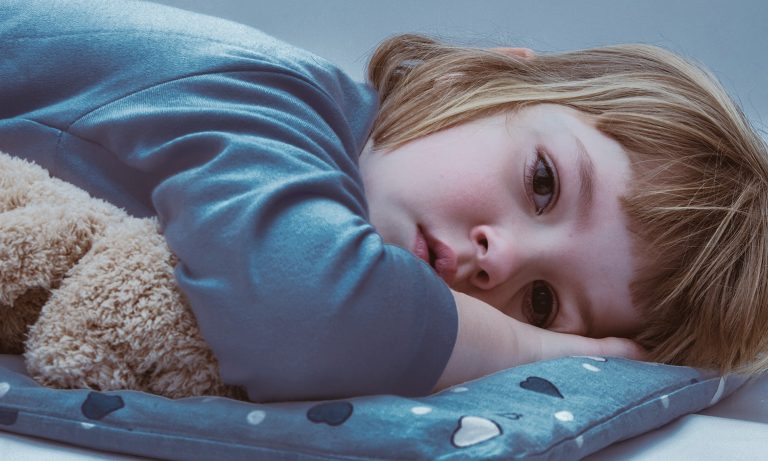
Understanding slumber issues in children
Slumber problems are common amid children, especially when they're young. Indisposition, bedtime fears, nighttime terrors, sleepwalking, and bed-wetting can all disrupt your child's natural slumber pattern. Some children may not feel tired at their designated bedtime while others have problem falling asleep without a parent nowadays. Some kids will frequently wake up in the heart of nighttime, suddenly wide awake, and either toss and plow or come and wake up mom and dad.
Information technology can be frustrating to take your own sleep regularly disturbed and then discover yourself having to rush effectually in the morning considering your child's belatedly getting upwardly, or having to bargain with a fussy, moody child who's low on sleep. But in that location is hope. Many childhood sleep bug are linked to daytime beliefs and bedtime habits that yous can work with your child to change. With a little patience and subject, you lot can aid your child overcome their sleep difficulties, help them autumn and stay asleep—and get back on rail to more restful nights of your own.
How much sleep do children need?
To function at their all-time, children and teens typically need more sleep than adults. The chart below outlines the recommended hours that developing kids should spend asleep.
| How many hours of sleep practise kids need? | |
| Age group | Recommended sleep time |
| Infants (iv to 12 months) | 12 to 16 hours (including naps) |
| Toddlers (1 to 2 years) | 11 to 14 hours (including naps) |
| Children (3 to 5 years) | 10 to 13 hours (including naps) |
| Children (half dozen to 12 years) | 9 to 12 hours |
| Teens (13 to 18 years) | 8 to 12 hours |
Signs that your child isn't getting enough slumber
Children, just like adults, have trouble decision-making their moods when they're sleep deprived. Slumber, or lack thereof, affects much of a child'due south behavior and state of heed. In some cases, the symptoms of insufficient sleep can even mimic those of ADHD.
If your child isn't getting enough sleep, they may:
- Often seem cranky, irritable, or over-emotional.
- Have trouble concentrating at school or at domicile? Has a teacher informed you of this trouble.
- Autumn asleep while riding in the car.
- Appear to struggle following conversations or seem to "infinite out" a lot.
- Accept trouble waking up or fall back asleep after you've gotten them upward for the day.
- Often become drowsy or "crash" much before than their regular bedtime.
If your child wakes upward often in the night, or has trouble settling down, it could hateful they're struggling with insomnia, i of the biggest slumber issues among kids.
Insomnia in children
Insomnia is the inability to fall asleep or stay comatose at night, resulting in unrefreshing or not-restorative slumber. Often, the result resolves itself over time. Only if your child experiences difficulty sleeping more three times a week for several months, and it significantly impairs their daytime operation, it may point to insomnia or some other sleep disorder.
Causes of insomnia in kids
For many children, their difficulties falling or staying asleep stem from their daytime habits or how they spend their time correct earlier bed. Eating besides much sugary food during the solar day, for example, or watching TV right before bed could be plenty to disrupt your child's sleep. Of grade, younger children specially will accept difficulty making the connection between their habits and the quality of their slumber, so you'll take to act every bit a sleep detective on their behalf.
Other mutual reasons why your kid may be experiencing slumber difficulties include
- Stress. Yes, they are young, but children also experience stress—often triggered past issues at school or home. They may be struggling to keep upward in class, experiencing problems with their friends, or even being bullied. At abode, stress can arise from parents' marital problems, the inflow of a new baby, or changes in their sleeping arrangements that now require them to share a bedroom with a sibling, parent, or grandparent, for example.
- Caffeine. Many sodas and energy drinks contain caffeine which tin keep kids awake at night. Try to limit your child's consumption past lunchtime. Amend yet, endeavor to cut out these types of drinks as much as possible.
- Side furnishings of medications. Some drugs, such as those used to treat attention deficit hyperactivity disorder (ADHD) and antidepressants, can also cause insomnia in children.
- Other medical issues. It could be a sleep disorder, such as sleep apnea or restless leg syndrome, or peradventure information technology's triggered past a stuffy nose from allergies, growing pains, or itchy skin from eczema. Keeping your kid up-to-appointment on health exams can help identify whatever issues that could interfere with their sleep.
Insomnia and "too much time in bed"
Sometimes, a kid'southward insomnia may stem from having more than fourth dimension allotted for slumber than they need each night. In these cases, your child could fight their bedtime or wake up in the night or besides early in the morning time. To find an ideal bedtime, note when your child starts to go drowsy in the evening. That's the fourth dimension they should be going to bed, so first their bedtime routine well-nigh 45 minutes earlier. If they're awake much longer, they may first to go a second air current, and so become more than hard to handle.
Coping with indisposition in children
While establishing good lifestyle habits can help ensure a restful nighttime for a child of whatsoever age, it's especially important for older children and teens.
Make sure your child uses their bed only for sleep. If possible, encourage them to use their bed only for slumber and a pre-bedtime ritual (such as reading a volume) rather than homework, for example. Otherwise, they'll associate the bed with other activities rather than rest and relaxation. Similarly, don't use your child's bedchamber for time-out or they'll acquire to acquaintance it with penalization.
Ensure their bedroom is comfortable. Most kids sleep best in a slightly cool room (around 65 degrees). If in that location'southward noise from exterior, using white noise from a fan or sound machine can help to mask it. Make certain your child's bed is non overloaded with toys, as that tin can become distracting at bedtime.
Attempt to keep the aforementioned sleep schedule, even on weekends. This will make information technology easier for your kid to wake upward and fall asleep naturally. Adolescents should not need to sleep much more than than an hr past their usual wakeup time on the weekends. If they do, this indicates that they aren't getting enough sleep during the week.
Keep your kid from going to bed too hungry or full. A light snack (such as warm milk and a banana) earlier bed is a good idea. However, heavy meals within an hour or ii of bedtime may go along kids awake.
Encourage an agile lifestyle. Regular exercise prevents restlessness at night. An hr every day is the recommended amount. However, try to keep your kids from vigorous activity within three hours of bedtime.
Encourage natural light exposure get-go affair in the morning. Opening the blinds helps your kid wake up and signifies the offset of the twenty-four hours.
Pay attention to napping. Children typically demand at least 4 hours between sleep periods before they are tired enough to doze off again. Although nap needs may vary, make certain your child is non asleep for also long or likewise shut to bedtime.
Ready limits with electronics. The blue light emitted past the Idiot box, phones, tablets, and video games can disrupt the body'south slumber/wake cycle and makes it more difficult to sleep. Turn off these devices at least ane hour before bed and store them outside your child'due south sleeping room during slumber hours.
Spend quality time together. Some kids want to stay upwardly after because they're craving more attention from their parents. If both parents piece of work during the mean solar day, evenings are when they're available. Fifty-fifty just asking kids near their friends or interests tin go a long style. For babies, spend a few minutes singing to them, making eye contact, or interacting in a gentle way every bit they air current down for the night.
Coping with other childhood slumber problems
In addition to daytime habits and bedtime routines, kids often experience other obstacles to getting a practiced nighttime's sleep. Fright of the dark, bad dreams, night terrors, sleepwalking, and bed-wetting are other sleep issues that kids often struggle with. While almost outgrow these problems rapidly, at that place are plenty of ways you can address your kid's sleep bug and ensure they—and yous—go a healthy night'due south rest.
Affordable Online Therapy for Sleep Problems
Go professional assist from BetterHelp'southward network of licensed therapists.
HelpGuide is reader supported. We may receive a committee if you sign upward for BetterHelp through the provided link. Larn more.
Bedtime fears and sleep anxiety
At some point in babyhood, most children feel a fright of the dark or going to bed at nighttime. Many young kids especially accept difficulty separating what is real from what is imaginary, so while the idea of monsters under the bed may seem lightheaded to you, it tin seem very real and very frightening to your kid.
While it's of import to allow your child express their fears without you dismissing or ridiculing them, information technology's as well important not to support or legitimize their worries. Instead of using "fairy dust" to get rid of monsters or waving a magic wand to scare away any ghosts, for instance, you lot're amend off explaining to yous child how their imagination can pull a fast one on them into mistaking normal things, such every bit shadows or creaking sounds, for something frightening.
[Read: Anxiety in Children and Teens: A Parent's Guide]
Yous can also:
Start by understanding their fears. Acknowledge and empathize with your kid'south fears before reassuring them that their worry is separate from reality and that zippo bad is going to happen.
Use a dark-light to give your child actress security in their bed at night, as long as it isn't bright plenty to disturb their sleep.
Let your kid have a security object with them at night, such every bit a cuddly toy or special blanket. Having a pet in the room with them can also aid to allay their fears, as long every bit it doesn't disrupt their slumber.
Help your child explore their bedtime fears during the twenty-four hours. Take them check under the bed to see that there'southward nothing nether at that place, for case. Talking about their fears during the day rather than at bedtime can too help to build upwardly their self-confidence and make them less broken-hearted at nighttime.
Avoid scary books, movies, or TV shows, fifty-fifty during the day. These will only fuel your child'south imagination and add to their fears at nighttime.
Encourage your child to stay in bed, even if they wake up in the nighttime. You desire your kid to acquire that their bed is a safe identify so information technology's better to sit with them while they go back to sleep rather than remove them from their bedchamber.
Nightmares
When kids go to preschool age and a fearfulness of the night tends to ready in, they also become more prone to nightmares. Whatsoever issues or feelings they're working through during the day can manifest themselves in disturbing dreams at dark. As well as addressing their bedtime fears and anxiety (to a higher place), it's important to talk to your child virtually any changes they're experiencing in their life. Moving abode or school, parents separating, or the improver of a new sibling to the family unit tin can all fuel incertitude in a child's life and prompt nightmares.
Whatever your child'southward age or circumstances, take time each day to bank check in with them and stay upwards to date with what's going on in their life and any issues they may be having at schoolhouse or with their friends. If your child wakes yous up after a nightmare, reassure them that it'due south not real merely don't dwell too much on the content of the scary dream. Instead, focus on getting them ready for slumber over again.
Night terrors
Night or slumber terrors are episodes of screaming, flailing, and intense fear while your child is asleep. While it can be agonizing to witness your child having nighttime terrors, it'due south not unremarkably a cause for business. They're often a byproduct of stress, lack of slumber, new medication, or changes in slumber environment and nearly kids outgrow them by their teenage years. Unlike nightmares, your child remains comatose and volition likely have no recollection of the event the side by side morning.
Symptoms of dark terrors
- Thrashing around in bed, kicking covers off.
- Screaming in distress.
- Breathing heavily and a high heart charge per unit.
- Sweating.
- Sitting upright in bed.
- Moving around the business firm (dark terrors tin happen in conjunction with sleepwalking).
Dealing with nighttime terrors
Since attempting to wake your child from a nighttime terror may cause them more distress, gently guide them back to bed or look until they autumn back asleep. You can reassure them with a pat on the back or by squeezing their hand. Nearly incidents don't final for more than a few minutes.
While in that location's no "cure" for night terrors, you tin accept preventive measures to ensure your child is safe. If they motion around during a sleep terror, make whatever sure doors leading exterior the home are locked, place a condom gate at the tiptop of the stairs, and remove any dangerous or breakable objects from the firsthand vicinity.
You tin can also help your child to deal with anything that's fueling their stress and work to reduce tension. A relaxing bedtime routine can aid, as can fugitive caffeinated drinks during the day. If the incidents have place around the same fourth dimension every night, you could try waking your child up about xv-30 minutes before to see if that helps.
Sleepwalking
Sleepwalking doesn't involve just getting out of bed; many sleepwalkers also talk, sit down upward in bed, or brand repetitive movements such equally fumbling with clothing or rubbing their eyes. Although your child'southward eyes are open, they may accept a glassy appearance, and since they're still asleep, they won't run across the same way every bit when they're awake. While their behavior may alarm y'all, your child isn't aware of what they're doing and most likely won't call up information technology the next morning.
Causes of sleepwalking
Some influencing factors include a lack of sleep, an irregular sleep schedule, affliction, stress, or certain medications. There's usually no need to see a doctor unless the incidents are very regular, involve risky behavior, or result in your child feeling sleepy the next day.
Sticking to a regular slumber schedule and making certain your child is getting enough residue is oft plenty to resolve most sleepwalking issues. You can also assistance reduce stress levels by engaging your child in relaxing activities before bedtime. Encourage your child to go to the bath before winding downwardly, as a full bladder can also contribute to sleepwalking.
Sleepwalking and safety
Don't try to wake a sleepwalker, as this might frighten them. Instead, gently guide them dorsum to their own bed. Make sure windows and doors are locked and consider installing a safety gate outside your kid'due south sleeping accommodation or at the meridian of the stairs. Remove precipitous or brittle objects from around their bed and clear out whatever clutter or toys that they could trip on in the nighttime.
If your child shares a room with a sibling, don't allow them slumber in the pinnacle bunk of a bunk bed. Although sleepwalking usually stops by the teen years, keep car keys away from kids who are quondam enough to drive.
Bed-wetting
Although able to use the bathroom correctly during the day, some young children may struggle with bladder control bug at night, which can exist humiliating and stressful. Bed-wetting commonly occurs in children two to four years of age. Still, it can continue with school-aged children as well. If both parents moisture the bed when they were immature, it's likely that their child will as well.
Other possible causes of bed-wetting include:
- Your child's bladder has non adult enough to agree urine for an entire nighttime. Similarly, advice between their brain and bladder may not accept fully formed.
- It is a response to stress, changes at home, a modest disease, or exhaustion.
- Your child is a deep sleeper and a full bladder fails to awaken them.
- Your child is constipated. Total bowels put pressure on the bladder.
- Your child's body is producing too much urine at dark.
Helping your kid cope
Even though your kid knows they're non at error, bed-wetting often makes them feel significant embarrassment and guilt. They may feel reluctant about sleeping over at a friend's house or going to camp, for case.
Reassure them that you don't blame them for it and instate a 'no-teasing' rule in your house. If you or another family unit fellow member was besides a bed-wetter, it might make your kid feel amend to know near it. Here are some other ways to manage the situation:
- Put a plastic cover over the mattress.
- Let your child help modify the sheets. Explicate that this isn't a penalization. It helps teach responsibleness.
- Ready a advantage system. Give your child stickers for "dry nights" with a pocket-size advantage subsequently a certain number.
- Avoid lots of fluids earlier bedtime. Remind your kid to use the bathroom once again before bed.
- Ready a bedwetting warning. If the trouble persists, consider asking your child's doctor about an alarm. These observe wetness and will wake the child upward to use the toilet. This could be helpful for deep sleepers.
When to see a md almost bed-wetting
If your child has been completely toilet trained for at least half dozen months, and then starts wetting the bed, it could point to a medical problem that requires your doctor'southward attending. This is especially likely if the bed-wetting occurs along with other changes in your child, such as:
- Hurting or a burning sensation while urinating.
- Cloudy or pink bloodstains on their underwear.
- Wetting their pants during the day.
- Swelling of their feet or ankles.
- Wetting the bed at seven years of age or older.
Continued bed-wetting, especially if the child is over vii or had previously outgrown information technology, may besides be a sign of sexual corruption.
Source: https://www.helpguide.org/articles/sleep/childhood-insomnia-and-sleep-problems.htm
0 Response to "Haloã‚â® Dream Nest 3-in-1 Portable Baby Sleep System in Grey"
Post a Comment